
How Your Vitamin D Levels Throughout Winter Months Directly Impact Gum Health and Tooth Retention
The Hidden Connection Between Sunshine and Your Smile
As the days grow shorter and the British winter brings reduced sunlight, many people recognise the effects on their mood and energy levels but may overlook the potential impact of lower vitamin D levels on their oral health. This essential nutrient plays an important role in calcium absorption and bone health, both of which contribute to maintaining strong teeth and healthy gums. For patients visiting a dentist Borehamwood, understanding the relationship between vitamin D and dental wellbeing can help support informed decisions about nutrition and preventive oral care.
Vitamin D does more than support general health; it helps the body absorb calcium and regulate bone metabolism. These functions are particularly important for oral health, as teeth are supported by the jawbone and surrounding tissues. During winter, reduced exposure to sunlight can limit the body’s natural production of vitamin D, potentially increasing the risk of deficiency. Although vitamin D alone cannot prevent dental problems, maintaining adequate levels alongside a balanced diet, good oral hygiene and regular dental check-ups can help support healthy teeth and gums throughout the year.
Understanding Vitamin D’s Role in Oral Health
The mechanisms by which vitamin D influences dental health are both direct and multifaceted. This nutrient plays an essential role in calcium homeostasis, ensuring that sufficient calcium is available for maintaining the mineralised structures of teeth and the supporting alveolar bone. Without adequate vitamin D, the body cannot effectively absorb dietary calcium, regardless of intake levels. This deficiency creates a situation where the very foundation of dental health becomes compromised.
Furthermore, research has established clear links between vitamin D deficiency and periodontal disease, demonstrating that this nutrient possesses anti-inflammatory properties that help protect gum tissue from bacterial assault. The immune-modulating effects of vitamin D enable the body to mount appropriate responses to oral pathogens whilst preventing the excessive inflammatory reactions that lead to tissue destruction and bone loss around teeth.
Winter’s Particular Challenge to Dental Wellbeing
The British winter presents unique challenges for maintaining optimal vitamin D levels. Between October and March, the angle of the sun means that UVB radiation—the specific wavelength required for vitamin D synthesis in skin—cannot penetrate the atmosphere effectively at northern latitudes. This geographical reality means that even individuals who spend time outdoors during winter months produce negligible amounts of vitamin D naturally.
For those seeking professional guidance on maintaining oral health during these challenging months, consulting a dentist Borehamwood residents trust can provide valuable insights into protective strategies and early intervention when problems arise.
The Consequences of Vitamin D Deficiency on Gum Tissue
When vitamin D levels fall below optimal ranges during winter, the gums become increasingly vulnerable to periodontal disease. The soft tissues surrounding teeth rely on vitamin D to regulate inflammatory responses and maintain their structural integrity. Deficiency allows harmful bacteria to establish themselves more readily in periodontal pockets, whilst simultaneously impairing the body’s ability to combat these pathogens effectively. This dual effect creates conditions where gum disease can progress rapidly, leading to recession, bleeding, and eventual tooth mobility.
The supporting bone structure faces equally serious consequences. Vitamin D deficiency impairs the body’s capacity to maintain bone density in the jaw, a process that occurs gradually but relentlessly. As alveolar bone deteriorates, teeth lose their secure anchoring, becoming loose and potentially requiring extraction. This process affects not only individuals with existing dental problems but can initiate decline in previously healthy mouths.
Practical Strategies for Protecting Dental Health During Winter
Addressing vitamin D deficiency during winter months requires a proactive approach. Dietary sources such as fatty fish, fortified dairy products, and egg yolks provide some vitamin D, though achieving optimal levels through diet alone proves challenging for most individuals. Supplementation often becomes necessary, with dental professionals increasingly recognising the importance of adequate vitamin D for oral health outcomes.
Regular monitoring of vitamin D status through blood tests allows individuals to adjust supplementation appropriately. The recommended daily intake varies depending on baseline levels, age, and other factors, making personalised assessment valuable. Those experiencing gum bleeding, increased tooth sensitivity, or other oral symptoms during winter should consider vitamin D deficiency as a potential contributing factor.
Professional dental care becomes particularly important during months when vitamin D levels naturally decline. Regular check-ups enable early detection of periodontal problems before they progress to serious stages. When visiting a dentist Borehamwood patients should discuss their vitamin D status and any concerns about seasonal changes in oral health.
Protecting Your Smile Through the Darker Months
The connection between vitamin D and oral health represents a critical yet often neglected aspect of dental care. Understanding how vitamin D influences both gum health and bone metabolism empowers individuals to take preventative action during winter months when natural production ceases. By combining appropriate supplementation with excellent oral hygiene and regular professional care, individuals can maintain robust dental health regardless of seasonal challenges. The investment in maintaining adequate vitamin D levels throughout winter pays dividends in preserving both gum health and tooth retention for years to come.
How Invisalign Aligners Interact With Existing Dental Restorations During Orthodontic Treatment
Understanding the Compatibility Between Clear Aligners and Dental Work
The journey towards a straighter smile through Invisalign Leeds has become increasingly popular across the United Kingdom, yet many individuals with existing dental restorations find themselves wondering whether their previous dental work will pose obstacles to treatment. The relationship between invisible orthodontic devices and restorations such as crowns, bridges, veneers, and implants is far more nuanced than one might initially assume, requiring careful consideration and professional assessment before embarking on treatment.
Modern orthodontic technology has advanced considerably, and practitioners who specialise in Invisalign treatments regularly work with patients who have various types of dental restorations in place. The fundamental principle underlying successful treatment lies in understanding how these restorations respond to the gentle, consistent pressure applied by clear aligners throughout the orthodontic process.
How Dental Crowns Respond to Clear Aligner Therapy
Dental crowns represent one of the most common restorations that patients bring to their orthodontic consultations. These tooth-shaped caps, which cover damaged or weakened teeth, generally interact well with clear aligners, though certain considerations must be addressed. The surface texture of crowns differs from natural tooth enamel, which can affect how attachments—small tooth-coloured bumps that help aligners grip teeth—adhere to the restoration.
The material composition of the crown plays a significant role in treatment planning. Porcelain and ceramic crowns typically provide sufficient surface area for aligner contact, whilst metal crowns may require alternative approaches. Understanding whether crowns, bridges, or veneers affect Invisalign eligibility helps patients set realistic expectations before beginning treatment.
The Science Behind Aligner Pressure and Restoration Stability
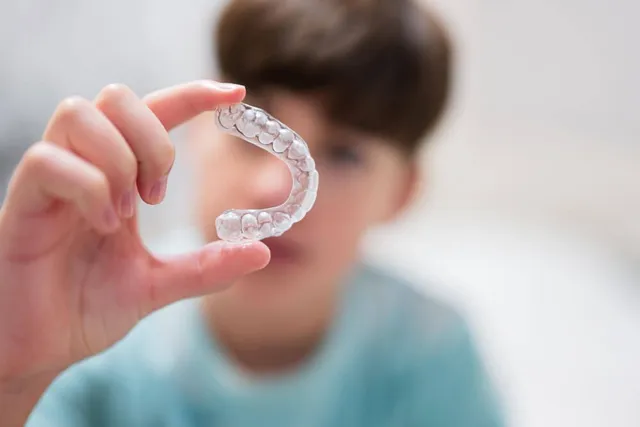
Clear aligners function by applying controlled forces to teeth, gradually shifting them into desired positions over time. When restorations are present, orthodontic specialists must consider whether these forces might compromise the integrity of the dental work. Fortunately, the gentle nature of aligner therapy typically poses minimal risk to well-executed restorations that have been properly bonded or cemented in place.
The key concern revolves around whether the restoration itself will move along with the natural tooth structure beneath it. In most cases, crowns that have been securely attached will move as a single unit with the underlying tooth, responding predictably to the orthodontic forces applied by the aligners.
Bridges and Fixed Prosthetics: Special Considerations
Dental bridges present unique challenges within clear aligner treatment due to their fixed nature connecting multiple teeth. Unlike individual crowns, bridges anchor several teeth together, which can limit the independent movement required for comprehensive orthodontic correction. The success of treatment depends largely on the location and span of the bridge, as well as the specific tooth movements needed to achieve the desired outcome.
In many instances, orthodontists can work around bridges by focusing tooth movement on the unrestored teeth whilst maintaining the bridge’s position. However, some complex cases may require bridge removal and replacement after orthodontic treatment concludes. Exploring treatment options when crowns are present provides valuable insight into how practitioners navigate these situations with careful planning and patient communication.
Veneers and Bonding Materials During Aligner Treatment
Porcelain veneers, those thin shells that enhance the appearance of front teeth, generally accommodate clear aligner therapy quite effectively. The smooth surface of veneers does, however, present challenges when orthodontists need to attach the small composite buttons that facilitate specific tooth movements. Alternative attachment positions or modified treatment approaches often provide satisfactory solutions.
Composite bonding materials used to repair chips or reshape teeth typically withstand the forces exerted by aligners without issue. The orthodontist may need to adjust or replace bonding after treatment to ensure the final aesthetic result aligns with the newly positioned teeth. Learning about Invisalign compatibility with various dental restorations empowers patients to make informed decisions about their orthodontic journey.
Dental Implants and Their Role in Treatment Planning
Dental implants occupy a distinct category within orthodontic planning because, unlike natural teeth, they lack the periodontal ligament that allows tooth movement. Implants remain fixed in position throughout aligner therapy, serving as stable anchor points around which other teeth can be repositioned. This characteristic can actually prove advantageous in certain treatment scenarios, providing predictable reference points for tooth alignment.
Achieving Optimal Results With Existing Restorations
The interaction between clear aligners and existing dental restorations ultimately depends on thorough assessment, strategic planning, and open communication between patient and practitioner. Modern orthodontic techniques accommodate a wide range of dental histories, allowing individuals with restorations to pursue straighter smiles with confidence. Professional evaluation remains essential to determine the most appropriate treatment approach for each unique situation, ensuring both orthodontic success and the longevity of existing dental work.
How Your Childhood Sweet Preferences Shape Lifelong Taste Perception and Dental Cravings
The Sweet Science of Early Taste Development
The relationship between childhood sweet preferences and adult eating habits represents one of the most fascinating areas of dental and nutritional science. From the moment a child experiences their first taste of sugar, a complex series of neurological and physiological responses begins to shape their lifelong relationship with sweet foods. These early experiences don’t merely influence what people enjoy eating; they fundamentally alter taste perception and create patterns that dental professionals observe throughout their patients’ lives.
Research demonstrates that children possess a markedly different sweet perception threshold compared to adults. Young palates are naturally predisposed to prefer sweeter tastes, an evolutionary adaptation that once guided children towards energy-dense, safe foods. This heightened preference for sweetness during developmental years establishes neural pathways that can persist well into adulthood, affecting everything from snack choices to the likelihood of developing dental caries. Understanding this connection has become increasingly important for the dentist Leatherhead who works to prevent long-term oral health complications.
Why Children Crave More Sweetness
The biological mechanisms behind childhood sweet preferences are remarkably sophisticated. Sweet taste perception undergoes significant changes between childhood and adulthood, with young people requiring substantially higher concentrations of sugar to achieve the same level of perceived sweetness as adults. This phenomenon isn’t simply a matter of preference; it reflects genuine differences in taste receptor sensitivity and brain processing of sweet stimuli.
During periods of rapid growth, children’s bodies require substantial energy intake, and the enhanced sweet preference serves as a biological mechanism to ensure adequate caloric consumption. However, in contemporary society where highly processed sugary foods are abundantly available, this natural inclination often leads to excessive consumption. The consequences manifest in dental surgeries across the country, where professionals such as a dentist Leatherhead practitioners regularly encounter patients whose childhood dietary patterns have established problematic oral health trajectories.

The Neurological Imprinting Process
The brain’s reward centres respond particularly strongly to sweet tastes during childhood, creating powerful associations between sugar consumption and pleasure. These neural connections, once established, prove remarkably resistant to change. The repeated exposure to sweet foods during formative years essentially programmes taste preferences, making it considerably more challenging for adults to moderate their sugar intake even when they understand the health implications.
Long-Term Dental Implications of Sweet Conditioning
The persistent nature of childhood-established sweet preferences creates significant challenges for maintaining optimal oral health throughout life. Adults who were exposed to high levels of sugar during their developmental years often find themselves battling cravings that feel almost compulsive. These aren’t merely habits that can be easily broken; they represent deeply ingrained patterns of taste perception and reward-seeking behaviour that have been reinforced over decades.
Dental professionals observe that patients with strong sweet preferences typically require more intensive preventative care and are at elevated risk for various oral health conditions. The constant exposure to sugary substances creates an environment where harmful bacteria thrive, leading to enamel erosion, cavity formation, and periodontal complications. The relationship between dietary sugars and dental caries has been extensively documented, demonstrating the clear connection between early taste conditioning and lifelong dental challenges.
Breaking the Cycle of Sweet Dependency
Whilst childhood conditioning exerts a powerful influence, the adult brain retains considerable plasticity. Gradually reducing sugar intake allows taste receptors to recalibrate, enabling individuals to perceive sweetness in foods that previously seemed bland. This process requires patience and consistency, but the benefits extend far beyond dental health to encompass overall metabolic wellbeing.
Strategies for moderating sweet cravings include introducing naturally sweet whole foods, which provide nutritional value alongside their pleasant taste. Understanding the physiology of taste perception helps individuals recognise that their preferences aren’t fixed characteristics but rather adaptable responses that can be gradually modified through conscious dietary choices.
Shaping a Healthier Future
The evidence surrounding childhood sweet preferences and their lasting impact underscores the importance of early dietary intervention. Parents and caregivers who limit excessive sugar exposure during formative years provide children with a substantial advantage in maintaining both dental health and balanced taste perception throughout life.
For those already experiencing the consequences of childhood conditioning, professional dental guidance combined with gradual dietary modification offers a pathway towards improved oral health and reduced sweet dependency. The patterns established in youth need not dictate lifelong outcomes, though addressing them requires understanding, commitment, and often professional support to achieve lasting change.