
Flexible Study Schedules Supporting Consistent Educational Progress for Adults
Balancing learning with personal duties requires a practical approach that fits daily routines. Adult learners often seek options that allow steady growth without disrupting other responsibilities. A flexible path makes study easier to manage while keeping goals within reach. With proper planning, learners can maintain focus while moving forward at a comfortable pace through open university malaysia.
Personal Time Management
Good scheduling helps learners arrange tasks according to available hours. A clear routine reduces missed lessons while supporting regular academic engagement. Consistent planning also creates structure without adding unnecessary pressure. This approach encourages steady progress through manageable learning sessions.
Balanced Learning Commitments
Adults often handle work duties along with family responsibilities. Flexible arrangements make it easier to continue study without affecting important obligations. Learners can adjust learning periods based on changing schedules. This creates a practical path toward educational achievement.
- Learning sessions fit around regular personal responsibilities each week.
- Organized planning supports ongoing focus during academic activities.
- Adjustable timing allows smoother progress through learning requirements.
- Clear schedules encourage steady participation across learning periods.
- Flexible arrangements support continued growth despite changing commitments.
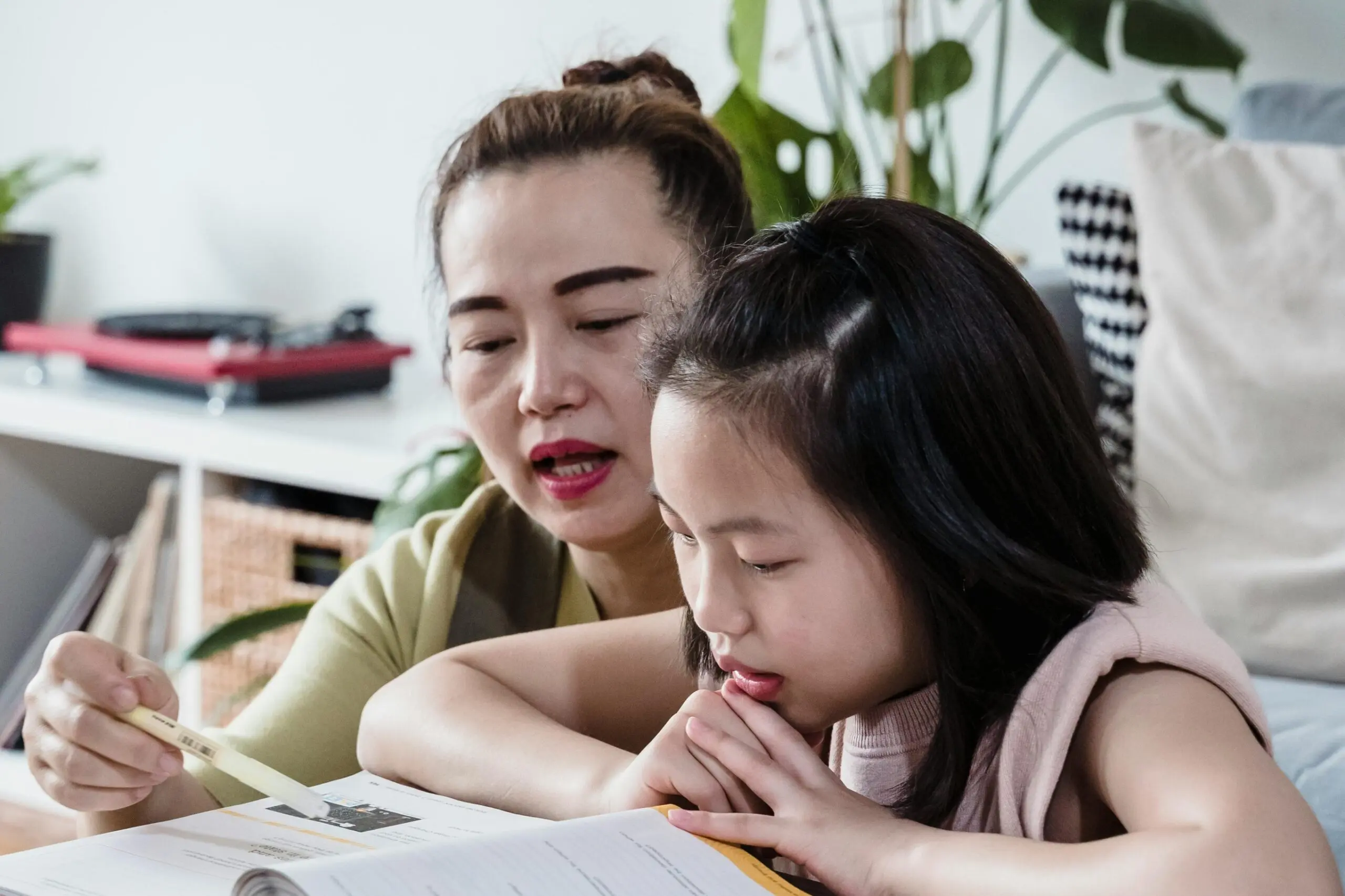
Steady Academic Development
Regular engagement helps learners build knowledge over time. Small learning steps completed consistently often produce stronger results. A structured pace encourages understanding without creating unnecessary strain. This method supports lasting educational growth through gradual improvement.
The availability of options such as open university malaysia allows learners to continue academic pursuits while maintaining existing responsibilities. Flexible arrangements help create stability throughout the learning journey. Consistent effort remains important for long term achievement.
Independent Learning Habits
Self-directed learning encourages responsibility for academic progress. Learners gain confidence when managing their own schedules effectively. Personal accountability supports stronger engagement with course materials. Over time, these habits contribute to improved educational outcomes.
Flexible Course Participation
Educational programs that allow varied attendance patterns provide greater convenience. Learners can complete lessons during suitable periods without disrupting daily priorities. Such flexibility encourages continued involvement throughout academic programs. This supports sustained motivation across different stages of learning.
- Adaptable lesson timing supports participation despite changing weekly routines.
- Personal scheduling choices encourage stronger commitment toward learning goals.
- Varied attendance options help maintain educational continuity throughout courses.
- Structured flexibility supports gradual advancement across academic requirements.
- Suitable pacing encourages ongoing interest during educational development.
Long-Term Knowledge Growth
Learning achieved through consistent effort often remains valuable over time. Flexible educational arrangements support continued progress without unnecessary pressure. Gradual advancement helps strengthen understanding while supporting future aspirations. A balanced approach encourages meaningful development throughout academic pursuits.
Carefully planned learning routines help adults move forward with greater confidence while managing existing obligations. Adaptable academic arrangements support ongoing growth through practical scheduling choices. Consistent participation, clear planning, suitable pacing, regular effort, and focused engagement create a strong foundation for educational achievement while helping learners reach future goals with steady advancement.
FAQ
Which learning approach suits adults managing several daily responsibilities?
Flexible scheduling supports academic progress alongside existing personal commitments.
Can adaptable academic timing support continuous growth over longer periods?
Yes, flexible arrangements encourage regular participation throughout educational journeys.
Why does consistent engagement matter during adult educational development?
Regular involvement strengthens understanding while supporting steady academic advancement.
Choosing Massage Therapies Based on Lifestyle Needs and Recovery Priorities
Daily routines often create physical strain that affects movement quality throughout the day. A massage approach can help support body function while encouraging better flexibility during regular activities. Choosing suitable care depends on personal habits plus recovery expectations. Clear planning helps identify practical options that align with individual goals through foot massage bangkok.
Matching Daily Activity Levels
Regular schedules influence physical demands in different ways. Individuals spending extended periods at desks may notice stiffness, while those with active responsibilities often seek muscle support. A suitable massage option should reflect these routine patterns. Aligning care with everyday activity can help maintain better movement quality over time.

Supporting Recovery Objectives
Recovery priorities vary according to workload plus physical effort. Some approaches focus on reducing tension while others support smoother body function after demanding tasks. Selecting suitable methods helps address personal expectations in a practical manner.
| Recovery Priority | Focus Area |
| Daily fatigue | Gentle relaxation support |
| Muscle strain | Targeted pressure attention |
| Movement quality | Flexibility improvement |
| Physical workload | Ongoing muscle care |
| Routine balance | Consistent body support |
A clear recovery strategy allows individuals to select options that suit their physical requirements while encouraging better daily function.
Understanding Pressure Preferences
Personal comfort levels play an important role when selecting suitable care. Some individuals prefer gentle techniques while others choose firmer approaches for deeper muscle attention. The foot massage bangkok is often connected with varied pressure choices that accommodate different preferences. Understanding these expectations can improve overall satisfaction.
Lifestyle Focus Factors
Personal priorities can guide better decisions when selecting appropriate care options.
- Match routine demands with suitable body support requirements.
- Select approaches fitting regular movement goals each week.
- Consider timing that suits personal schedules without disruption.
- Review physical strain patterns before choosing suitable attention.
- Focus on methods supporting balance during daily responsibilities.
Thoughtful planning allows individuals to identify options that fit naturally within existing routines while supporting long-term physical ease.
Building Long-Term Balance
Consistent care often works best when connected to broader wellness goals. Regular attention may support flexibility while helping maintain smoother movement during everyday responsibilities. Realistic planning encourages sustainable habits that remain practical over extended periods. A balanced approach can contribute to improved physical function without unnecessary complexity.
Managing Time Effectively
Busy schedules often make it difficult to maintain consistent body care routines. Selecting an option that fits available time can improve regular participation without creating added pressure. Short sessions may suit packed schedules while longer sessions can support deeper physical attention. Choosing a practical arrangement helps maintain steady progress while fitting daily responsibilities.
Selecting suitable options requires attention to personal habits plus recovery requirements. Clear understanding of physical demands, pressure preferences, along with routine expectations can support informed decisions. Consistent effort helps maintain flexibility while encouraging smoother movement. Care aligned with individual priorities often creates a practical path toward lasting physical support.
FAQs
Which option suits active schedules requiring regular physical support?
Choose methods matching movement demands while encouraging steady recovery.
Can pressure selection influence overall satisfaction during each session?
Yes, suitable intensity often supports greater ease during appointments.
Why should personal priorities guide care-related decisions today?
Clear goals help identify options matching ongoing physical needs.